
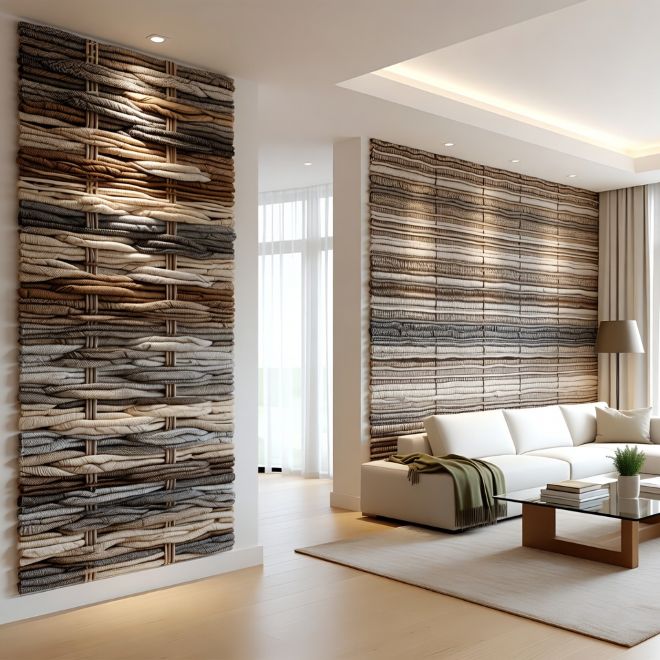
Geosynthetics, the fabrics used in civil engineering to stabilize soil and reinforce structures, display intricate patterns and textures that are increasingly influencing interior design. Their grids, weaves, and mesh structures offer fresh inspiration for walls, lighting, and minimalist furniture. Designers are now looking at these functional materials and imagining how their geometric forms can bring a sense of rhythm and structure to living spaces.
Manufacturers like top geosynthetic supplier in Asia showcase materials with varying thicknesses, weaves, and flexibility. Interior designers draw on these textures to craft unique wall panels that resemble the subtle complexity of reinforced fabrics. The crosshatch patterns seen in geosynthetics inspire decorative ceilings, room dividers, and even lamp shades that cast patterned shadows, adding depth to otherwise simple rooms.
Textures on Walls and Surfaces
One of the most visible ways geosynthetic patterns influence interiors is through wall textures. Designers replicate the fine meshes and grids of civil-engineering fabrics using plaster, textured paints, or 3D panels. These surfaces introduce tactile interest without overwhelming a room, keeping designs minimal yet dynamic. For instance, hexagonal grids or diamond-shaped meshes, common in geosynthetics, are increasingly appearing in accent walls, offering both a visual and sensory experience. Designers are also exploring large-format prints in residential interiors to create bold, textured statements that echo the structure and rhythm of these engineering fabrics.
Lighting Inspired by Weaves and Meshes
Lighting design also benefits from the inspiration of civil-engineering fabrics. Suspended lights with perforated or woven shades mimic geosynthetic textures, creating intriguing light and shadow play. This technique adds a soft rhythm to interiors, echoing the repetitive patterns found in engineering materials. Geometric luminaires provide both functional illumination and sculptural beauty, enhancing the overall atmosphere of a space.
Minimalist Furniture with Geometric Influence
Furniture designers are taking cues from the simplicity and efficiency of geosynthetic structures. Minimalist shelving units, table frames, and chairs often feature open grids or interlaced patterns reminiscent of soil-reinforcement meshes. These designs convey strength and structure while maintaining a light visual footprint. A simple steel or wooden frame with crosshatch details can give the impression of complex engineering without cluttering a room.
Flooring and Decorative Elements
Flooring trends have also embraced the inspiration from civil-engineering fabrics. Tile layouts, parquet patterns, and even carpet designs echo the repetitive, modular grids of geosynthetics. Designers are exploring materials that imitate the strength and durability of these fabrics while remaining comfortable for home use. The result is a series of spaces that feel ordered and intentional, yet retain warmth and personality.
Blending Structural Patterns with Organic Design
What makes geosynthetic-inspired design so appealing is the balance between technical precision and artistic expression. While the patterns are highly structured, designers often pair them with softer, organic elements like plants, fabrics, and wood finishes. This contrast emphasizes the geometry while preventing spaces from feeling cold or overly industrial. It encourages a dialogue between engineered order and human touch.
Practical Applications in Modern Interiors
- Wall Panels: Replicate mesh patterns to create visual depth.
- Lighting Fixtures: Incorporate perforated or woven shades for shadow play.
- Furniture: Use grids and interlacing in minimalist tables, chairs, and shelving.
- Flooring: Adopt modular, geometric layouts inspired by geosynthetic grids.
- Decorative Accessories: Lamps, screens, and wall art that echo fabric patterns.
Conclusion
The lines, meshes, and textures of geosynthetics are proving to be a rich source of inspiration for modern interiors. From accent walls to lighting, furniture, and flooring, these civil-engineering fabrics offer a fresh perspective on geometric design and structure. Homeowners and designers alike are recognizing the value of borrowing visual ideas from engineering materials to create spaces that are both functional and visually compelling. Collaborating with a top geosynthetic supplier in Asia can help translate these industrial patterns into tangible design elements, bringing the precision of civil engineering into the comfort of a home.
By embracing these textures, interiors gain rhythm, depth, and a subtle nod to the structural ingenuity that supports our modern world. Geosynthetics demonstrate that even the materials beneath our feet can inspire elegance above ground.

