interior design

Furniture Style Covers: The Unsung Hero of Modern Living Spaces

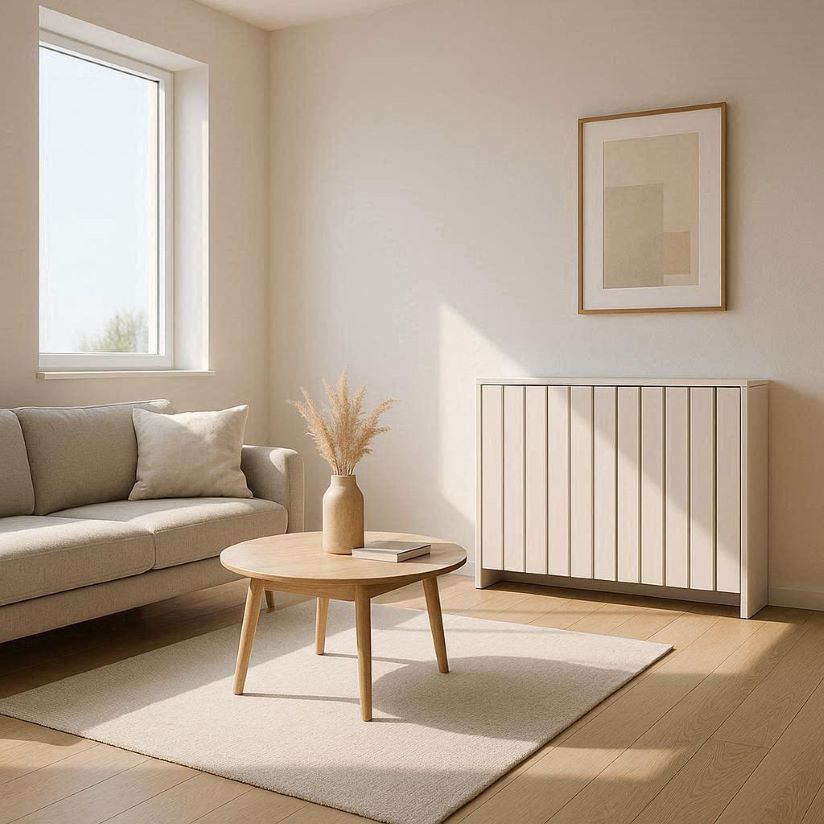
minimalist living room with sleek covered radiator

Research from The Irish Green Building Council shows that homeowners are paying closer attention to comfort, energy efficiency, and interior design details when upgrading living spaces. Yet one feature still gets ignored in many homes, the radiator. While walls, lighting, and furniture often receive careful planning, heating units are usually left exposed, even when they interrupt the overall look of a room.

Designers across Ireland and the UK have started treating radiators differently in recent years. Instead of seeing them as awkward necessities, many homeowners now use furniture style covers to blend heating systems into the wider interior theme. These tailored additions create cleaner lines, soften hard metal surfaces, and help rooms feel more polished without demanding major renovations.

Despite the importance of layout and furniture selection, small details often shape how a room feels. A well-designed radiator cabinet can quietly transform a space by adding texture, balance, and even extra functionality. From compact apartments to traditional Irish homes, these covers are becoming a subtle design tool that supports both style and practicality.

Showcase 1: Minimalist Living Room With Sleek Modern Covers

Minimalist interiors depend on simplicity. Every object has a purpose, and visual clutter is kept to a minimum. In many modern homes, exposed radiators can disrupt that clean atmosphere because of their bulky shape and industrial appearance.

One popular approach uses slim radiator cabinets painted in matte white or soft neutral tones. These designs sit flush against the wall and often feature narrow slats or smooth panel fronts. The result is calm and understated, which works well with Scandinavian-inspired furniture, natural wood accents, and muted textiles.

A Dublin-based interior stylist interviewed by House and Home Magazine explained that concealed heating features help maintain visual flow in open-plan spaces. When large furniture pieces are already competing for attention, streamlined radiator solutions allow the eye to move naturally across the room.

Picture a living room with pale oak flooring, a low linen sofa, and soft daylight pouring through oversized windows. Along one wall, a sleek radiator enclosure doubles as a narrow console surface. A ceramic vase and a stack of books sit on top, adding personality without overwhelming the space.

The success of this style comes from restraint. The cover does not dominate the room. Instead, it quietly supports the wider design language. Many homeowners prefer this approach because it feels intentional rather than decorative for the sake of decoration.

Showcase 2: Classic Irish Home With Traditional Wood Finishes

Traditional Irish homes often carry strong architectural character. Features like crown moulding, stone fireplaces, and rich timber flooring create warmth and familiarity. Standard metal radiators can sometimes feel disconnected from these older interiors.

Wooden radiator cabinets with classic craftsmanship help bridge that gap. Oak, walnut, and painted cream finishes are commonly used in period homes where texture and heritage matter. Decorative grille patterns, framed edges, and detailed joinery allow the heating element to blend naturally with surrounding furniture.

Data published by The Heritage Council of Ireland highlights growing interest in preserving traditional home aesthetics while adapting properties for modern living. Homeowners increasingly seek additions that respect older architectural styles instead of replacing them entirely.

Imagine a cosy sitting room in Galway with deep green walls, antique mirrors, and warm table lamps glowing in the evening. Beneath a sash window sits a handcrafted timber radiator cover finished in soft ivory paint. The top surface holds framed family photographs and a small reading lamp, turning an overlooked corner into a welcoming focal point.

These classic designs often succeed because they feel timeless. Rather than trying to hide the radiator completely, they reinterpret it as part of the furniture collection. The room feels layered and lived in, which is especially important in homes built around comfort and tradition.

Interior experts from Architectural Digest frequently note that texture plays a major role in creating emotional warmth inside a home. Wood surfaces naturally soften hard lines and introduce a sense of craftsmanship that many modern interiors lack.

Showcase 3: Contemporary Apartment Using Covers as Multifunctional Shelving

Urban apartments face a different challenge. Space is limited, and every piece of furniture must earn its place. Designers have responded by creating radiator enclosures that function as shelving, seating, or display units.

Contemporary covers in apartments often feature flat tops strong enough for books, plants, or decorative storage baskets. Some extend outward slightly to create bench seating near windows or entryways. Others incorporate open shelving underneath for magazines and everyday essentials.

A report from IKEA Life at Home found that city residents increasingly prioritize multifunctional furniture because smaller homes require smarter use of space. This mindset has influenced many interior trends, including how heating systems are integrated into room layouts.

Consider a compact apartment in Cork with concrete finishes, black-framed windows, and modern lighting. Along the hallway wall sits a charcoal-colored radiator unit with built-in shelving above. Small plants, framed prints, and woven storage boxes add warmth to an otherwise industrial setting.

In the bedroom, another enclosure beneath the window acts as a reading bench with layered cushions. The design saves space while helping the room feel more custom and thoughtfully arranged.

These multifunctional solutions are especially appealing because they solve practical problems without sacrificing appearance. In smaller homes, efficiency and style must work together. A radiator cabinet that doubles as furniture supports both goals naturally.

Commentary: Blending Safety, Function, and Design

Many people first consider radiator covers for safety reasons, especially in homes with children or older family members. Sharp edges and hot metal surfaces can create concerns in busy households. Properly designed enclosures provide a softer barrier while still allowing heat to circulate effectively.

The British safety organization RoSPA, the Royal Society for the Prevention of Accidents, has long encouraged thoughtful home safety improvements that reduce risks without making spaces feel clinical or restrictive. Protective radiator solutions fit into that wider conversation because they combine everyday function with comfort.

Still, the appeal goes beyond protection. Decorative radiator cabinets contribute to the visual rhythm of a room. They create symmetry beneath windows, introduce useful surfaces, and help heating systems feel integrated rather than accidental.

Design professionals often describe successful interiors as layered spaces where practical elements support the atmosphere instead of distracting from it. Understanding how common furniture and design elements work together can help homeowners create rooms that feel balanced and cohesive. That philosophy explains why modern radiator furnishings continue to grow in popularity. They solve a visual problem quietly, without demanding attention.

Another advantage is flexibility. Whether a home leans minimalist, rustic, contemporary, or traditional, there are styles that adapt to different interiors. Neutral finishes blend into modern spaces, while natural timber complements older homes beautifully.

Importantly, these additions rarely require major structural work. Unlike large-scale renovations, installing a custom radiator enclosure can refresh a room with relatively little disruption. For homeowners seeking smaller yet meaningful updates, that balance of simplicity and impact is especially attractive.

Conclusion: Elevating Everyday Interiors With Subtle Design Choices

Great interior design often comes from attention to details that many people overlook. Radiators may serve a practical purpose, yet they do not have to interrupt the character of a home. Thoughtfully designed heating covers, decorative enclosures, and multifunctional cabinets help spaces feel more cohesive and intentional.

From sleek minimalist apartments to classic Irish sitting rooms, these understated additions prove that functionality and beauty can work together naturally. They soften harsh surfaces, create useful storage opportunities, and support the overall atmosphere of a room without overpowering it.

As homeowners continue searching for practical ways to improve comfort and style, radiator furniture solutions are likely to remain an important part of modern interiors. Sometimes the most effective design choices are the quietest ones, the features that blend seamlessly into daily life while making a home feel warmer, calmer, and more complete.

Posted by Deacon Aureole in Interior Design

From Ground to Home: How Civil-Engineering Fabrics Inspire Modern Interior Textures

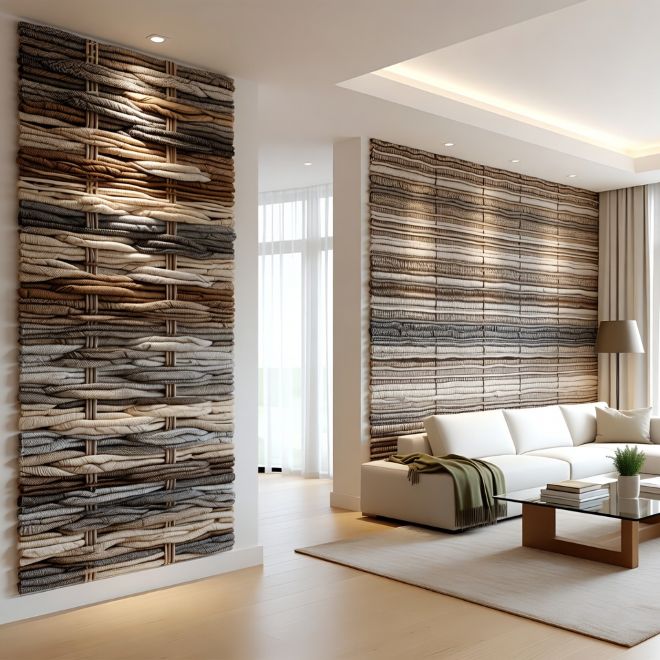
modern living room with accent walls inspired by woven geosynthetic patterns

Geosynthetics, the fabrics used in civil engineering to stabilize soil and reinforce structures, display intricate patterns and textures that are increasingly influencing interior design. Their grids, weaves, and mesh structures offer fresh inspiration for walls, lighting, and minimalist furniture. Designers are now looking at these functional materials and imagining how their geometric forms can bring a sense of rhythm and structure to living spaces.

Manufacturers like top geosynthetic supplier in Asia showcase materials with varying thicknesses, weaves, and flexibility. Interior designers draw on these textures to craft unique wall panels that resemble the subtle complexity of reinforced fabrics. The crosshatch patterns seen in geosynthetics inspire decorative ceilings, room dividers, and even lamp shades that cast patterned shadows, adding depth to otherwise simple rooms.

Textures on Walls and Surfaces

One of the most visible ways geosynthetic patterns influence interiors is through wall textures. Designers replicate the fine meshes and grids of civil-engineering fabrics using plaster, textured paints, or 3D panels. These surfaces introduce tactile interest without overwhelming a room, keeping designs minimal yet dynamic. For instance, hexagonal grids or diamond-shaped meshes, common in geosynthetics, are increasingly appearing in accent walls, offering both a visual and sensory experience. Designers are also exploring large-format prints in residential interiors to create bold, textured statements that echo the structure and rhythm of these engineering fabrics.

Lighting Inspired by Weaves and Meshes

Lighting design also benefits from the inspiration of civil-engineering fabrics. Suspended lights with perforated or woven shades mimic geosynthetic textures, creating intriguing light and shadow play. This technique adds a soft rhythm to interiors, echoing the repetitive patterns found in engineering materials. Geometric luminaires provide both functional illumination and sculptural beauty, enhancing the overall atmosphere of a space.

Minimalist Furniture with Geometric Influence

Furniture designers are taking cues from the simplicity and efficiency of geosynthetic structures. Minimalist shelving units, table frames, and chairs often feature open grids or interlaced patterns reminiscent of soil-reinforcement meshes. These designs convey strength and structure while maintaining a light visual footprint. A simple steel or wooden frame with crosshatch details can give the impression of complex engineering without cluttering a room.

Flooring and Decorative Elements

Flooring trends have also embraced the inspiration from civil-engineering fabrics. Tile layouts, parquet patterns, and even carpet designs echo the repetitive, modular grids of geosynthetics. Designers are exploring materials that imitate the strength and durability of these fabrics while remaining comfortable for home use. The result is a series of spaces that feel ordered and intentional, yet retain warmth and personality.

Blending Structural Patterns with Organic Design

What makes geosynthetic-inspired design so appealing is the balance between technical precision and artistic expression. While the patterns are highly structured, designers often pair them with softer, organic elements like plants, fabrics, and wood finishes. This contrast emphasizes the geometry while preventing spaces from feeling cold or overly industrial. It encourages a dialogue between engineered order and human touch.

Practical Applications in Modern Interiors

  • Wall Panels: Replicate mesh patterns to create visual depth.
  • Lighting Fixtures: Incorporate perforated or woven shades for shadow play.
  • Furniture: Use grids and interlacing in minimalist tables, chairs, and shelving.
  • Flooring: Adopt modular, geometric layouts inspired by geosynthetic grids.
  • Decorative Accessories: Lamps, screens, and wall art that echo fabric patterns.

Conclusion

The lines, meshes, and textures of geosynthetics are proving to be a rich source of inspiration for modern interiors. From accent walls to lighting, furniture, and flooring, these civil-engineering fabrics offer a fresh perspective on geometric design and structure. Homeowners and designers alike are recognizing the value of borrowing visual ideas from engineering materials to create spaces that are both functional and visually compelling. Collaborating with a top geosynthetic supplier in Asia can help translate these industrial patterns into tangible design elements, bringing the precision of civil engineering into the comfort of a home.

By embracing these textures, interiors gain rhythm, depth, and a subtle nod to the structural ingenuity that supports our modern world. Geosynthetics demonstrate that even the materials beneath our feet can inspire elegance above ground.

Posted by Deacon Aureole in Interior Design

Color-Coordinated Cheer: Matching Your Living Space with Christmas Gift Hampers

christmas gift hampers

Christmas gift hampers bring warmth and joy to any home. Selecting the perfect hamper that aligns with your interior design palette elevates the festive spirit while enhancing your living space’s aesthetic. A well-chosen hamper not only delights the recipient but also doubles as a chic décor piece, blending seamlessly with your home’s style. Whether your space leans toward cozy traditional vibes or sleek modern minimalism, the right hamper can tie the room together with festive flair.

Thoughtful hamper selection starts with understanding your home’s color scheme. For traditional interiors, rich reds and greens evoke the timeless charm of Christmas. These hues pair beautifully with warm woods and plush fabrics, creating a cozy, nostalgic atmosphere. Consider hampers like the Christmas gift hampers by Snack Box Hampers filled with treats in vibrant red and green packaging, such as the kaleidoscope lolly box, which bursts with color and complements classic holiday décor. Wicker baskets wrapped with red ribbons or adorned with pine sprigs enhance this rustic appeal, doubling as storage or display pieces after the treats are gone.

Modern Minimalist Spaces Need a Unique Approach

Clean lines and neutral tones dominate these interiors, so hampers with metallic or pastel accents work best. A sleek silver or gold hamper, perhaps containing Lindt chocolates in shimmering wrappers, adds a touch of elegance without overwhelming the room. Pastel-colored hampers, like those with soft pink or mint green packaging, bring subtle festive cheer while maintaining a contemporary vibe.

As interior designer Emily Pratt notes, “Metallic accents in décor create a polished look that feels both luxurious and understated.”

Opt for a minimalist wooden crate or a chic fabric-lined box to keep the aesthetic streamlined. If your living room follows clean lines and neutral tones, check out our article on key characteristics of modern interior design to help you choose colour-coordinated gifts that blend seamlessly.

Choosing the right container is just as important as the contents. The hamper’s exterior should reflect the recipient’s style and your home’s palette. Here are some tips to ensure harmony:

  • Wicker for warmth: A wicker basket suits traditional or rustic interiors, adding texture and charm. Pair it with red or green tissue paper for a festive touch.
  • Metallic boxes for sophistication: Sleek metal containers in gold or silver elevate modern spaces, especially when paired with neutral or monochromatic treats.
  • Fabric-lined elegance: For luxurious interiors, choose hampers with velvet or linen linings in jewel tones like emerald or sapphire to add depth.
  • Reusable appeal: Select hampers that can be repurposed as storage or décor, ensuring they remain a stylish part of the home long after the holidays.

Blending Festive Themes with Interior Styles

Traditional homes thrive on rich, layered colors. Deep burgundy, forest green, and gold create a warm, inviting vibe. Hampers with these tones, filled with gourmet chocolates or spiced teas, complement plaid throws and wooden furniture. Add a sprig of holly or a cinnamon stick for an extra festive touch. These elements tie into the classic Christmas palette, making the hamper a natural extension of the room’s décor.

Contemporary spaces demand subtlety. Soft metallics, like brushed silver or rose gold, paired with white or cream accents, keep things chic. A hamper with pastel-wrapped sweets or neutral-toned packaging blends effortlessly with minimalist interiors. “A cohesive color palette creates visual harmony,” says designer Yvonne Stone. Choose hampers with clean lines and simple designs to avoid clashing with the room’s aesthetic.

Adding Texture for Visual Interest

Texture elevates a hamper’s appeal. A wicker basket with a soft velvet ribbon adds tactile contrast, perfect for cozy spaces. For modern rooms, a smooth metal box with glossy packaging creates a sleek, polished look. The kaleidoscope lolly box, with its vibrant, textured candies, adds a playful yet sophisticated touch. Pair it with a neutral basket to balance the boldness, ensuring it complements rather than competes with your décor.

Practical Tips for Selection

Consider the recipient’s taste alongside your palette. A hamper filled with artisanal goods in colors that match your home’s style feels personal yet cohesive. Here’s how to choose wisely:

  • Match the mood: Cozy interiors pair well with warm-toned hampers; sleek spaces suit cool or metallic tones.
  • Think seasonally: Incorporate holiday-specific colors like red, green, or gold for traditional vibes, or pastels for a modern twist.
  • Balance bold and neutral: If your hamper has vibrant packaging, place it in a neutral container to avoid overwhelming the space.

To maintain harmony even with functional items in the room, see our post 8 clever interior design tricks to hide your air conditioner in style, same principle in terms of colour and tone matching applies to your hampers and decorative accents.

Christmas gift hampers can transform your holiday décor. By aligning their colors and textures with your interior palette, you create a cohesive, festive atmosphere. Whether it’s a wicker basket brimming with red and green treats for a traditional home or a sleek metallic box for a minimalist space, the right hamper adds cheer and style. Explore options like the kaleidoscope lolly box or Lindt-filled hampers to bring color-coordinated joy to your living space this Christmas.

Posted by Deacon Aureole in Interior Design, Modern Interior Design

Merging Function and Flair: How Large-Format Prints Transform Residential Interiors

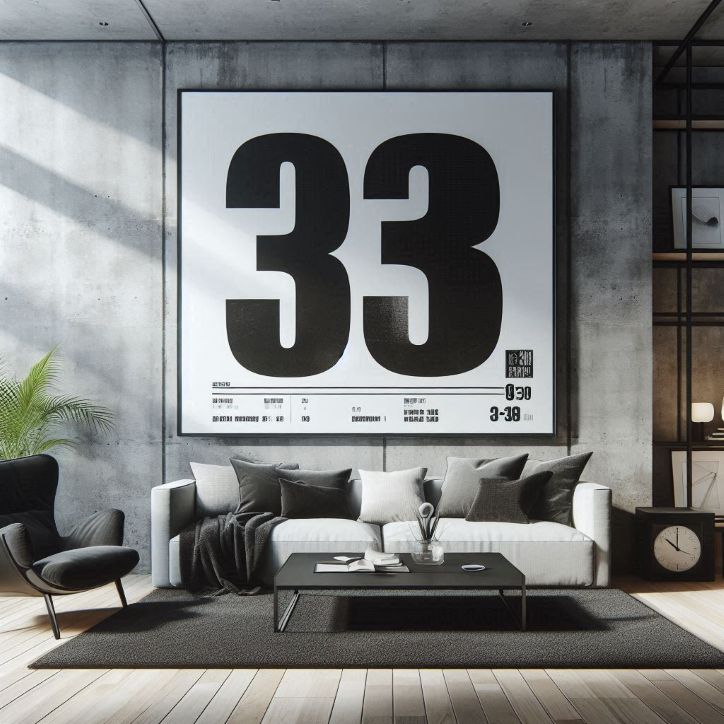
Modern living room with a large black-and-white banner

Large-format prints are no longer confined to commercial spaces or gallery walls. They’ve found a new home in residential interiors, where they serve as bold statements of personality, storytelling, and style. From oversized banners to custom posters and signage, these visual elements are reshaping how homeowners express themselves within their living spaces.

One company leading this creative shift is Industri Designs. The company offers banner printing, construction signs, vinyl & mesh banners, and step and repeat banners NYC. They are known for their seamless service from concept to production, they offer more than just printing. Their expertise spans graphic design, branding, and even web support, making them a versatile partner for homeowners looking to elevate their interiors with purpose and polish.

Minimalist Spaces: Let Prints Speak Loudly

Minimalist interiors thrive on simplicity, but that doesn’t mean they lack character. A single large-format print can become the focal point of a room, anchoring the space with visual weight and meaning. Think monochrome banners with bold typography, or abstract posters that echo the room’s color palette. These prints add depth without clutter.

To keep the balance:

  • Choose prints with clean lines and limited color schemes.
  • Opt for matte finishes to avoid glare and maintain a soft aesthetic.
  • Frame prints in slim, neutral frames or mount them directly for a modern look.

Industrial Interiors: Raw Meets Refined

Industrial design celebrates raw textures, exposed materials, and utilitarian charm. Large-format signage fits naturally into this theme, especially when printed on metal, canvas, or reclaimed wood. Vintage-style prints, blueprint-inspired graphics, or oversized directional signage can add authenticity and edge.

Tips for integration:

  • Use prints to highlight architectural features like brick walls or steel beams.
  • Incorporate company logos or personal branding for a loft-style vibe.
  • Layer prints with industrial lighting to create dramatic shadows and contrast.

Eclectic Interiors: Celebrate the Unexpected

Eclectic spaces are playful, layered, and full of surprises. This is where large-format prints can truly shine. Mix and match styles, colors, and formats to create a gallery-like experience. A bold poster next to a vintage banner, paired with quirky signage, can turn a hallway or living room into a curated journey.

To keep it cohesive:

  • Stick to a loose color theme or recurring motif.
  • Vary sizes and orientations for visual rhythm.
  • Use prints to reflect personal interests—music, travel, typography, or pop culture.

From Concept to Creation: A Seamless Experience

What sets Industri Designs apart is their full-circle approach. They don’t just print—they collaborate. Whether you’re starting with a vague idea or a full design brief, their team helps refine the concept, choose the right materials, and ensure the final product fits your space and vision. Their web design support also means your branding can extend beyond the walls and into your digital presence.

For homeowners who run businesses or personal brands, this is a game-changer. Imagine your living room doubling as a branded studio, with signage that reflects your identity both offline and online. It’s a smart, stylish way to merge lifestyle with professional storytelling.

READ ALSO: Transforming Bellevue Homes with Inspired Interior Design

Final Thoughts: Prints with Purpose

Large-format prints are more than decoration—they’re declarations. They speak to who you are, what you value, and how you want your space to feel. Whether you lean minimalist, industrial, or eclectic, there’s room for bold visuals that bring life to your walls.

With the right partner, like Industri Designs, the process becomes intuitive and inspiring. From the first sketch to the final install, every step is guided by creativity and care. So go ahead—make your walls talk.

Posted by Deacon Aureole in Modern Interior Design

How to Identify a Reliable Interior Designer with Private Investigator Orlando Methods?

Selecting the right interior designer for your home renovation or decoration project requires careful evaluation of credentials, experience, and professional integrity to ensure successful project completion within budget and timeline expectations. Many homeowners struggle to differentiate between qualified professionals and individuals who lack proper training, licensing, or ethical business practices that could result in costly mistakes or project failures. When homeowners have concerns about a designer’s background, previous client experiences, or business practices, they may need professional verification services to make informed hiring decisions. A private investigator Orlando understands the importance of thorough background verification.

Why You must get the Services of a Private Investigator?

Hence, hiring these professionals can then provide comprehensive analysis of professional credentials, business history, and client satisfaction records that help homeowners identify trustworthy design professionals.

These investigative services offer peace of mind by verifying licensing status, insurance coverage, and professional reputation through systematic research that reveals important information about design professionals before significant financial commitments are made.

Professional Credentials and Licensing Verification

Reliable interior designers possess proper educational backgrounds, professional certifications, and current licensing that demonstrate their commitment to industry standards and ongoing professional development.

Verification should include checking design school credentials, professional association memberships, and any specialized certifications in areas like sustainable design or accessibility compliance. Licensed professionals maintain current insurance coverage including general liability and professional indemnity protection that safeguards clients against potential project-related issues.

Credential verification also involves confirming continuing education requirements and professional development activities that keep designers current with industry trends, building codes, and safety regulations.

Portfolio Assessment and Project History

Examining a designer’s portfolio provides crucial insights into their design aesthetic, project complexity experience, and ability to work within various budget ranges and style preferences.

Reliable professionals maintain comprehensive documentation of completed projects with clear before-and-after photographs that demonstrate their problem-solving capabilities and attention to detail.

Portfolio analysis should include projects similar in scope and budget to your intended project, ensuring the designer has relevant experience with your specific requirements and expectations.

Communication and Business Practices

Professional interior designers demonstrate clear communication skills through detailed contracts, transparent pricing structures, and regular project updates that keep clients informed throughout the design process.

Reliable professionals provide comprehensive project timelines, material specifications, and cost breakdowns that allow clients to make informed decisions about design choices and budget allocations.

Posted by Kerri Haleigh in Interior Design

Transforming Bellevue Homes with Inspired Interior Design

luxurious bathroom with a freestanding tubBellevue homes radiate charm, and inspired interior design unlocks their full potential. Thoughtful design transforms kitchens, bathrooms, and living spaces into areas that balance beauty with everyday functionality. Whether it’s a rustic retreat, a sleek modern haven, or a cozy farmhouse vibe, interior design shapes spaces that reflect the homeowner’s unique personality. In Bellevue, where diverse architectural styles meet vibrant lifestyles, custom renovations elevate homes into personal sanctuaries.

Kitchens and bathrooms often steal the spotlight in home design, serving as hubs for both practicality and style. A well-designed bathroom remodeling Bellevue project, for instance, can turn a dated space into a spa-like oasis. Imagine soaking in a freestanding tub, surrounded by soft lighting and glossy tiles, or stepping into a frameless glass shower that feels like a luxury retreat. Kitchens, meanwhile, shine with open layouts, custom cabinetry, and islands that invite family and friends to gather. These spaces prove that great design marries form with function.

Crafting Spaces That Reflect You

What makes a home feel truly yours? It’s the way design captures your personality. A rustic kitchen with reclaimed wood accents and warm tones might evoke memories of countryside getaways. On the other hand, a contemporary living room with clean lines and neutral palettes offers calm sophistication. Designers in Bellevue excel at listening to homeowners, translating their dreams into reality. They ask: What’s your vision? Then, they weave in elements like custom shelving or bold accent walls to make spaces feel personal and alive.

Trends play a role, but timeless design wins hearts. Open-concept layouts remain popular, creating airy, connected spaces perfect for entertaining. Smart home features, like automated lighting or energy-efficient appliances, add modern convenience. For example, a recent Bellevue project transformed a cramped kitchen into an open, light-filled space. The design featured a sleek island with quartz countertops and pendant lights, blending modern flair with cozy warmth. Such projects show how design can adapt to both current trends and lasting appeal.

The Art of Seamless Renovation

Renovating a home can feel overwhelming, but skilled designers make it effortless. They guide homeowners through every step, from sketching initial concepts to selecting finishes. Clear communication is key—detailed plans and timelines keep everyone on the same page. In Bellevue, designers also navigate local building codes, ensuring projects meet regulations without delays. Whether it’s reconfiguring a layout or adding a statement fireplace, the process blends creativity with precision.

Whole-home renovations showcase design’s transformative power. Picture a dated Bellevue home with choppy rooms and outdated fixtures. A skilled designer might knock down walls to create an open floor plan, install skylights for natural light, or add built-in storage for a clutter-free look. One project turned a 1980s split-level home into a modern masterpiece, with a relocated kitchen and a cozy reading nook. The result? A space that felt fresh, functional, and uniquely tailored to the family’s needs.

Sustainability Meets Style

Great design doesn’t just look good—it’s responsible too. Sustainable materials, like reclaimed wood or recycled glass countertops, reduce environmental impact while adding character. Energy-efficient lighting and appliances cut utility costs, making homes as eco-friendly as they are beautiful. For instance, a Bellevue kitchen redesign might feature bamboo flooring and LED fixtures, blending green choices with a polished aesthetic. These elements create spaces that feel good to live in and good for the planet.

Bellevue’s design community also values its local roots. Designers understand the area’s unique blend of urban and natural beauty, incorporating elements like large windows to frame views of Lake Washington. They stay attuned to what locals want—spaces that feel both luxurious and livable. By sourcing materials locally and working with trusted contractors, they ensure projects support the community while meeting high standards. This connection to Bellevue fosters trust and delivers results that resonate.

READ ALSO: Key Characteristics of Modern Interior Design

Why Interior Design Matters

Interior design is more than aesthetics; it’s about creating spaces where life unfolds. A well-designed kitchen becomes the backdrop for holiday dinners. A thoughtfully crafted bathroom offers a daily escape. Whole-home designs tie everything together, making every room feel cohesive and inviting. In Bellevue, where homes range from cozy bungalows to modern estates, design brings out the best in every space. It’s about crafting environments that spark joy and ease.

Ready to reimagine your Bellevue home? Professional designers are here to help. They’ll listen to your ideas, offer creative solutions, and bring your vision to life. Whether it’s a single room or an entire home, inspired design transforms spaces into reflections of you. Start exploring today—your dream home is closer than you think, waiting to shine with style and purpose.

Posted by Deacon Aureole in Interior Design

How does the Evolution of Interior Design Techniques Reflects Test Hundefutter Bosch?

Interior design has experienced remarkable transformation over the years, shifting from ornate and traditional styles to more functional and minimalist approaches. As tastes, lifestyles, and technologies evolved, the way people design and decorate their homes also changed. In the same way we evaluate product quality, like how pet owners turn to reviews such as test hundefutter bosch when choosing the best for their dogs, homeowners and professionals alike seek the best design techniques that suit their needs and reflect modern standards.

Understanding the Fundamentals of Past Interior Design

Older interior design techniques were heavily influenced by cultural heritage and available materials. Think lavish Victorian drapes, heavy wooden furniture, and grand chandeliers.

Designers focused on aesthetic appeal, often emphasizing symmetry, detailed craftsmanship, and opulence.

Functionality took a back seat to presentation, with homes designed to impress rather than adapt to everyday needs. Spaces were filled with ornate decor and emphasized formality, making them visually rich but often impractical.

Modern Techniques And Test Hundefutter Bosch-Style Evaluation

Today, interior design is driven by function, technology, and sustainability. Similar to how one would evaluate test hundefutter bosch to make informed choices about dog food, modern homeowners now research design principles and consult professionals to find practical yet stylish solutions.

The popularity of modular furniture, open floor plans, and eco-friendly materials highlights this shift. Natural light, efficient use of space, and smart home integrations are now key elements. Interior design is no longer just about how things look, it’s about how they work for the people living in them.

Blending Technology and Personalization in Present-Day Designs

Technology plays a big part in contemporary design. Virtual reality allows homeowners to visualize their future spaces, while 3D modeling helps designers customize layouts before construction begins.

Personalization is also more accessible, thanks to digital mood boards and virtual consultations. Homeowners now have more say and creative input, collaborating closely with designers to tailor every room to their lifestyle. This client-centric approach ensures that homes reflect personality while maximizing space and efficiency.

Cultural Shifts and the Future of Interior Design

Design is becoming increasingly global and adaptable. Minimalist Scandinavian aesthetics, Japanese-inspired layouts, and tropical modern styles are just a few examples of how international trends are merging. Interior design is no longer bound by geography but shaped by the global exchange of ideas and digital platforms.


Posted by Kerri Haleigh in Modern Interior Design

Typography in Home Decor: How Fonts Influence Mood and Aesthetics

interior design with fonts

Fonts have a profound effect on how spaces feel. Choosing typefaces in home decor can create a cozy atmosphere, introduce sophistication, or add a modern edge. Whether an elegant serif on a framed quote or a bold, playful script on a coffee bar sign, typography plays a crucial role in shaping a room’s personality.

Stylish wall art, decorative signage, and even custom wallpapers rely on typography to set the tone. Businesses and event planners, for example, use step and repeat NYC backdrops with well-chosen fonts to enhance branding and aesthetics. Similarly, homeowners can use type to bring visual harmony to their spaces.

The Psychology of Fonts in Interior Design

Fonts evoke emotions. A sleek sans-serif can make a space feel contemporary, while a vintage script can bring warmth and nostalgia. Each font style conveys a message, much like color psychology in design.

Serif Fonts: Timeless and Sophisticated

Classic, elegant serif fonts like Times New Roman and Garamond add a refined touch to home decor. They work well in traditional or vintage-inspired interiors, often found on framed literary quotes or engraved plaques.

Sans-Serif Fonts: Clean and Modern

Simple, bold, contemporary sans-serif fonts like Helvetica and Futura create a sleek, minimalist look. They are perfect for modern interiors and are often used on geometric wall decals or metal signage.

Script Fonts: Elegant and Playful

Flowing and artistic script fonts like Brush Script or Alex Brush add a personal, handwritten feel. They are popular in farmhouse-style homes and bohemian spaces, appearing on custom wooden signs or decorative pillows.

Typography as a Design Element

Beyond individual fonts, how text is displayed also affects aesthetics. Typography in home decor isn’t just about the words but how they interact with the space.

Wall Art and Posters

Typography-based art prints are a stylish way to showcase personality. A motivational quote in bold sans-serif can energize a home office, while an elegant cursive message can add romance to a bedroom.

Custom Signage

Wooden, metal, or neon signs with carefully selected fonts bring character to any space. Whether it’s a family name in the script above the fireplace or a chic bar sign in an Art Deco font, signage adds a unique touch.

Furniture and Accessories

Typography isn’t limited to walls. Furniture with carved lettering, pillows with printed messages, and rugs with typographic patterns are innovative ways to integrate fonts into the decor.

Choosing the Right Font for Your Space

When selecting typography for home decor, consider the room’s overall style. Fonts should complement existing elements rather than clash with them.

Matching Fonts to Design Themes

For a rustic look, hand-painted script fonts work well. Industrial spaces often pair well with bold, blocky sans-serif fonts. If aiming for a vintage feel, serif fonts with decorative flourishes add character.

Color and Contrast

Typography should be legible and visually appealing. High contrast—like black text on a white background—creates a striking effect, while subtle tones blend seamlessly for a softer look.

Final Thoughts

Typography is more than just letters on a wall. An artistic element can transform a space, adding emotion and personality. Whether through stylish wall art, custom signage, or even text-based furniture, the right fonts make a difference. Choose wisely, and let typography tell your home’s story.

Posted by Deacon Aureole in Modern Interior Design

Austin Floor Store Promotes Seamless Flooring and Interior Design Harmony

When designing a space, flooring sets the foundation for aesthetics, functionality, and overall ambiance. Choosing the right flooring from Millennium Hardwood ensures that your interior reflects your style while maintaining a cohesive look. Whether opting for hardwood, tile, or luxury vinyl, flooring should enhance the existing decor rather than clash with it. A well-thought-out flooring choice ties together furniture, wall colors, and decorative elements, creating a seamless flow throughout the home.

A beautifully designed space isn’t just about individual elements; it’s about how they work together. Flooring and interior design should complement each other to achieve balance and harmony in any setting. From classic elegance to modern minimalism, the right flooring can either amplify or tone down the atmosphere of a room.

Role of Flooring in Interior Design

Flooring is one of the largest design elements in any space, making it a crucial component of interior design. It serves as the base upon which furniture, color schemes, and textures are layered. Lighter floors can make a space feel open and airy, while darker shades add warmth and depth. Patterned tiles or unique wood grains can introduce visual interest, turning flooring into a statement piece rather than just a backdrop.

Achieving Cohesion through Color and Texture

Color and texture play a significant role in blending flooring with the rest of the decor. Neutral-toned floors offer versatility, allowing for bold furniture choices, while richly textured wood or stone adds character and dimension.

The goal is to create a seamless transition between flooring and other design elements, ensuring a balanced and aesthetically pleasing environment.

Functionality Meets Aesthetic Appeal

Beyond looks, flooring must also align with the functionality of a space. High-traffic areas may require durable options like tile or engineered hardwood, while cozy bedrooms benefit from the warmth of carpet or natural wood. An Austin Floor Store offers a variety of flooring solutions that cater to both durability and design needs, helping homeowners strike the perfect balance between style and practicality.

Perfect Union of Flooring and Interior Design

A well-designed space is one where all elements—flooring, furniture, and decor—work in harmony. Whether renovating a home or designing from scratch, ensuring that flooring and interior design complement each other creates a polished, inviting atmosphere. Thoughtful choices elevate the overall aesthetic, making every room feel intentional and well-curated.

Posted by Kerri Haleigh in Interior Design

Brighten Your Home with Skylights for a Modern Touch

modern home with large skylights

Natural light can transform any space, making rooms feel more open, inviting, and comfortable. Skylights are an excellent way to bring in sunlight, enhancing both aesthetics and functionality. Whether you’re looking to modernize your home or improve energy efficiency, skylights offer a practical and stylish solution.

The Appeal of Skylights in Modern Interior Design

Skylights go beyond aesthetics—they serve a functional purpose by increasing natural illumination. Additionally, when paired with metal roofing suppliers who provide high-quality materials, skylights can seamlessly integrate into your roof without compromising durability. Greenscope Co. offers premium roofing solutions that work well with skylight installations, ensuring both beauty and resilience.

Benefits of Installing Skylights

1. More Natural Light, Less Energy Use

Daylight not only enhances the ambiance of a room but also reduces dependence on artificial lighting. This means lower electricity consumption, which translates to cost savings.

2. Creates an Illusion of Space

Rooms with limited windows can feel small and enclosed. Skylights introduce a sense of openness, making interiors look bigger and airier.

3. Enhances Mood and Well-being

Homes with ample daylight tend to feel more uplifting and energizing. It improves the mood, boosts productivity, and regulates sleep.

4. Increases Property Value

Skylights add a luxurious feel to any home, making it more attractive to potential buyers. A well-lit home with a modern design often commands a higher market value.

5. Improves Ventilation

Skylights for kitchen and baths are designed to open, allowing fresh air to circulate.

Choosing the Right Skylight for Your Home

Fixed vs. Ventilated Skylights

  • Fixed skylights provide continuous light without opening, ideal for spaces that don’t require extra airflow.
  • Ventilated skylights are designed to open. This design allows fresh air into the home. This is perfect for improving indoor air quality.  

Tubular Skylights for Small Spaces

These are compact skylights designed for rooms with limited ceiling space. They capture sunlight and channel it into the home through reflective tubing, making them ideal for hallways, closets, and bathrooms.

Placement Considerations

Maximize the benefits of skylights through strategic positioning. South-facing skylights capture the most sunlight, while north-facing ones offer consistent illumination without excessive heat.

Modern Skylight Design Trends

Frameless Glass Skylights

These provide a seamless, sleek look that blends with minimalist and contemporary interiors.

Smart Skylights

Equipped with sensors, these skylights automatically open and close based on temperature, humidity, and weather conditions.

Large-Scale Skylights

Oversized skylights create a dramatic effect, flooding large areas with natural light and offering stunning sky views.

Skylight Installation: What to Consider

Professional Installation Matters

Skylight installation requires precision to avoid leaks and structural issues. Hiring experienced professionals ensures proper sealing and integration with your roofing system.

Energy-Efficient Glass Options

Consider skylights with low-emissivity (Low-E) glass coatings to minimize heat gain in summer and retain warmth in winter. Tinted or frosted glass can also help control glare.

Maintenance and Cleaning

Skylights accumulate dust and debris over time. Opt for self-cleaning glass or models with easy-access designs for hassle-free maintenance.

READ ALSO: The Modern Interior Design

Final Thoughts

Homeowners who choose to invest in skylights made the right choice. Skylights enhance living spaces from improved lighting to energy savings. They offer multiple benefits while adding a touch of sophistication. Whether you’re upgrading an existing home or planning a new build, skylights can make a world of difference.

Posted by Deacon Aureole in Modern Interior Design