Buildings account for nearly 30 percent of global final energy consumption, with a significant share attributed to heating, cooling, and lighting in interior spaces, according to the International Energy Agency (IEA). This reality has pushed designers and engineers to reconsider how interior environments are conceived, especially as comfort expectations continue to rise alongside climate pressures. Energy use is no longer treated as a background operational issue; it is increasingly shaping how spatial decisions are made from the earliest stages of design.
Organizations such as DND Energy highlight how energy-aware planning is becoming a structural component of modern interior and infrastructure projects. Rather than treating energy efficiency as a finishing layer, this approach suggests that spatial layout, material selection, and environmental systems must be coordinated from the outset. The idea is simple, yet transformative: comfort and energy performance are not separate goals, but interconnected outcomes of design intelligence.
Energy-aware spatial planning begins with understanding how people move, rest, and interact within a space. Light exposure, airflow, and thermal distribution are not fixed conditions; they are shaped by architectural decisions. Research from the World Green Building Council indicates that well-designed indoor environments can improve occupant well-being and productivity by up to 11 percent, particularly when natural light and ventilation are optimized. These findings reinforce the idea that comfort is measurable, and it is deeply influenced by environmental performance.
Integrating energy considerations at the design stage
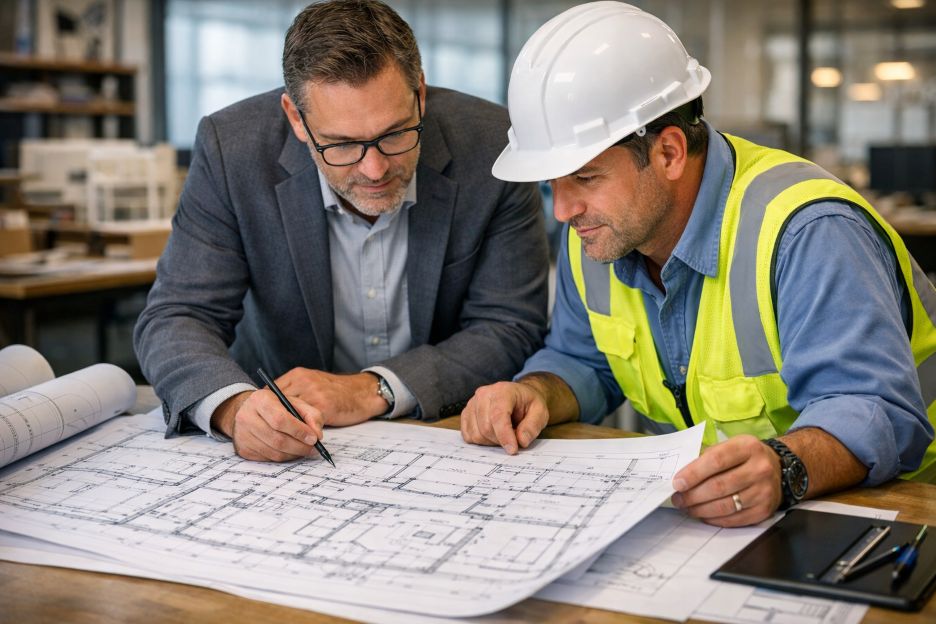
A growing number of architects and interior planners argue that energy thinking should be embedded at the conceptual phase rather than introduced during mechanical system design. When layout decisions ignore thermal zoning or daylight access, later corrections often lead to inefficient retrofits and higher operational costs. This sequencing problem has been widely noted in construction studies, including research by McKinsey & Company, which shows that early-stage design decisions can influence up to 80 percent of a building’s lifetime energy use.
In practical terms, early integration means aligning spatial geometry with passive design strategies. For instance, positioning communal areas where natural light is strongest reduces dependence on artificial lighting. Similarly, separating high-heat zones such as kitchens or server rooms from cooler resting areas helps stabilize indoor temperatures. These decisions may seem subtle, but their cumulative impact on energy demand is substantial over time.
Thermal comfort modeling also plays a growing role. Instead of relying solely on fixed HVAC systems, designers now simulate heat gain, air movement, and occupancy patterns before construction begins. This predictive approach allows interior environments to adapt more intelligently to usage patterns, reducing unnecessary energy expenditure while maintaining consistent comfort levels.
The counterpoint: the dominance of aesthetic-first design
Despite the increasing availability of energy modeling tools, many interior projects still prioritize aesthetics as the primary driver of decision-making. This approach emphasizes visual harmony, material expression, and stylistic identity, often treating mechanical efficiency as a secondary concern. The result is frequently striking spaces that perform poorly in terms of energy use or occupant comfort over time.
Designers who favor aesthetic-first methodologies argue that emotional experience and cultural expression cannot be reduced to performance metrics. Interiors, they suggest, are lived environments rather than engineering systems. A visually compelling space can create psychological comfort even when its energy efficiency is suboptimal. This perspective has long shaped luxury residential design and high-end commercial interiors, where experiential value often outweighs operational considerations.
However, critics of this approach point to rising energy costs and climate targets as limiting factors. The United Nations Environment Programme (UNEP) has noted that buildings must reduce emissions significantly within the next decade to align with global climate goals. In this context, purely aesthetic priorities risk creating spaces that are misaligned with long-term environmental responsibility.
Toward a synthesis of aesthetics and performance
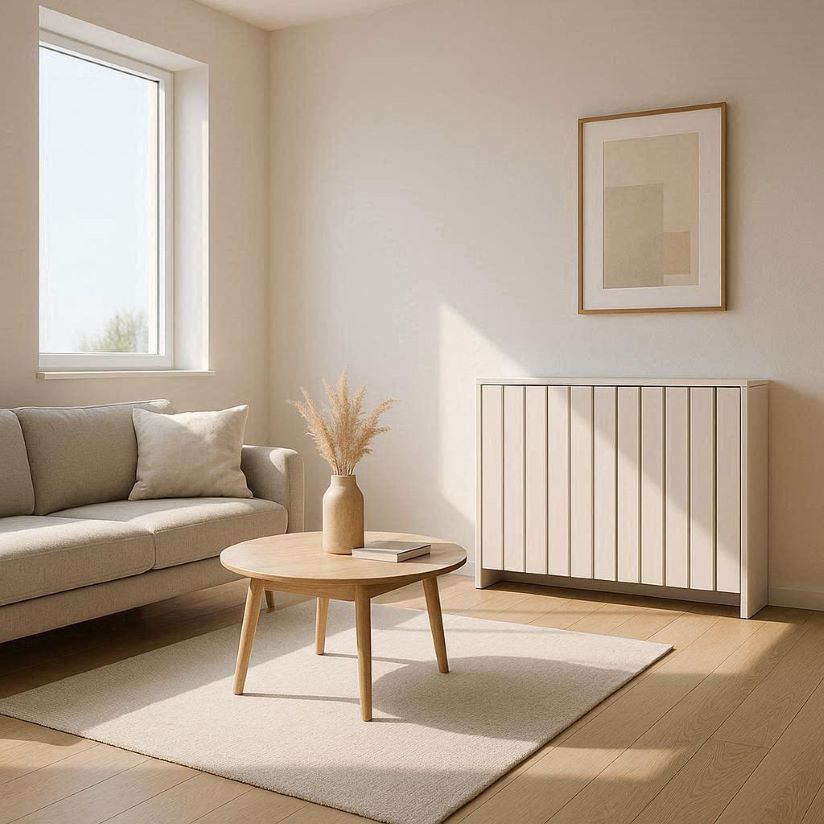
The emerging direction in interior design is not a rejection of aesthetics, but a redefinition of how beauty and performance coexist. Energy-aware design does not eliminate creative expression; instead, it reframes it within ecological and functional boundaries. Material textures, lighting moods, and spatial proportions can still be explored, but they are informed by environmental logic rather than detached from it.
This synthesis is visible in projects where passive design strategies are integrated seamlessly into the visual language of interiors. For example, shading systems can double as architectural features, while natural ventilation paths can shape spatial flow. In these cases, energy efficiency becomes part of the aesthetic identity rather than an external constraint. Comfort optimization, therefore, is achieved without sacrificing design intent.
Data-driven tools also support this convergence. Digital twin technologies and building performance simulations allow designers to visualize how interiors will behave under different conditions. These tools reduce the traditional tension between creative intuition and technical requirements by making performance outcomes more transparent during the design process.
READ ALSO: How Civil-Engineering Fabrics Inspire Modern Interior Textures
Implications for future interior design practice
The evolution toward energy-aware interiors suggests a broader shift in how design responsibility is understood. Interior spaces are no longer isolated compositions; they are active components of larger environmental systems. As climate policies tighten and energy costs fluctuate, this interconnectedness will likely become central to professional standards.
Educational institutions are already adapting curricula to reflect this change, incorporating environmental physics, systems thinking, and sustainability frameworks into interior design programs. This reflects a recognition that future designers must operate at the intersection of aesthetics, engineering, and environmental ethics.
Ultimately, the direction of interior design will depend on its ability to reconcile sensory experience with ecological necessity. Energy-efficient spatial planning does not diminish creativity; it challenges it to become more responsive, more informed, and more grounded in real-world conditions. As building systems become more intelligent and data-informed, interior environments will increasingly reflect a balance between human comfort and planetary constraints.
The future of interior environments, therefore, lies in integration. When spatial design, energy intelligence, and comfort optimization are treated as a unified system, interiors become more resilient and adaptive. This shift signals not a limitation of design freedom, but an expansion of its purpose within a changing world.