
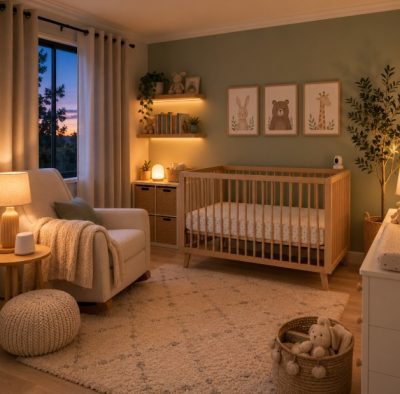
 A nursery has to do more than look good in photos. It is a room where a baby may sleep, feed, play, and be comforted several times a day. And while interior design cannot make a baby sleep through the night, thoughtful choices can create an environment that makes rest easier and bedtime less stimulating.
The most useful nursery designs balance comfort, safety, and practicality. A baby sleep consultant may also suggest creating a calm, consistent sleep environment that supports a baby’s bedtime routine. Instead of filling the room with decorations, parents can focus on features that support a peaceful atmosphere and simplify nighttime care.
Start With a Safe Sleep Area
The crib is naturally the center of a sleep-focused nursery. Its location and setup deserve more attention than decorative details. Place the crib away from windows, curtain cords, heaters, lamps, and furniture that could eventually become accessible to a growing child. Follow current infant safe-sleep recommendations when choosing a crib and mattress and when deciding what belongs inside the sleep space.
A bare crib may look less decorative than one filled with pillows, blankets, and stuffed animals, but those accessories are not necessary for a sleeping baby. You can use decorative items elsewhere in the room without crowding the crib. Safety should remain the priority even when it means changing the original design idea.
Make It Easy to Control the Light
Light plays an important role in creating a nursery’s atmosphere. Bright daylight is useful when parents are feeding, dressing, and playing with their baby. At bedtime, softer lighting can help make the room feel quieter and less active.
Window coverings can help control outside light, particularly during daytime naps or in the summer when daylight lasts well into the evening. Choose coverings that do not leave accessible cords near the crib.
Lighting inside the room matters too. Instead of relying entirely on a bright ceiling fixture, consider a dimmable lamp or another soft light source for nighttime care. Parents need enough visibility to feed or change the baby safely without making the room unnecessarily bright.
Choose Colors for the Whole Atmosphere
No single paint color will make babies sleep better. Parents don’t have to limit themselves to beige, gray, or pale blue just because they are decorating a nursery.
However, it helps to think about how all the colors in the room work together. Very bright walls combined with bold patterns, colorful furniture, and numerous decorations can make a small space feel busy.
Muted or softer shades often make it easier to create a visually restful room. Parents who enjoy brighter colors can introduce them through artwork, storage baskets, rugs, or other accents rather than using intense colors on every surface. The aim is balance, not a nursery without personality.
Reduce Visual Clutter
Babies come with a surprising amount of equipment. Clothes, diapers, wipes, toys, books, blankets, and feeding supplies can quickly cover every available surface.
Good storage can keep the nursery calmer and make nighttime care more efficient. Frequently used items should be easy for adults to reach, while less-used belongings can be stored in drawers, closets, or closed containers.
A changing area, for example, works better when diapers, wipes, and spare clothes have assigned places. Parents are less likely to turn on bright lights or search through the room during a middle-of-the-night change.
Storage should also evolve as the baby becomes mobile. Furniture may need securing, and objects that were once safely out of reach can become accessible surprisingly quickly.
Think About Sound
Complete silence is not always realistic in a family home. Traffic, siblings, pets, appliances, and conversations may continue while the baby sleeps. Soft furnishings such as rugs and curtains can reduce echo in a room. A closed door may also help limit household noise, depending on the home’s layout.
Some families use white-noise machines as part of the sleep environment. If one is used, parents should follow appropriate guidance about volume and placement rather than positioning it loudly beside the crib. The goal is not necessarily to eliminate every sound. A consistent, comfortable environment is usually more practical than trying to keep an entire home silent.
Keep the Room Comfortable
Room temperature can affect how comfortable a baby feels while sleeping. Nursery design should therefore consider airflow and heating or cooling, not just appearance.
Avoid positioning the crib directly beside heating vents, radiators, air-conditioning units, or places with strong drafts. Heavy decorative fabrics can also affect airflow around certain parts of a room.
Parents should follow current guidance on comfortable sleep temperatures and appropriate sleep clothing for infants. Feeling the room for themselves can help, but babies may need different clothing than adults expect.
Design Nighttime Care Around Simplicity
A nursery becomes much easier to use when parents can move through it without fully waking themselves or their baby. Keep a clear path between the doorway, crib, feeding chair, and changing area. Avoid placing baskets, toys, or small furniture where tired adults could trip over them at night.
A comfortable chair can provide a practical place to feed or settle the baby. A small table nearby can hold essentials for the parent, as long as everything stays safely out of the baby’s reach. These details may seem minor during decorating, but they can matter at 3 a.m.
Let the Nursery Grow With the Baby
Babies change quickly, and nursery design needs to change with them. A room arranged for a newborn may need significant adjustments once that baby begins rolling, crawling, pulling up, and exploring.
For that reason, flexible furniture and simple layouts can be more useful than highly elaborate designs. Review the room regularly for safety as the child’s abilities develop.
A well-designed nursery does not guarantee longer naps or uninterrupted nights. Babies wake for many reasons that have nothing to do with décor. But a safe, comfortable, dimmable, organized space can make sleep routines easier to maintain. And when the room also makes nighttime care simpler for tired parents, good design does more than look attractive.

